← Back to Recipes

Plain Peeled Mung Bean Cakes

Chinese tea-time cakes · Steam and shape

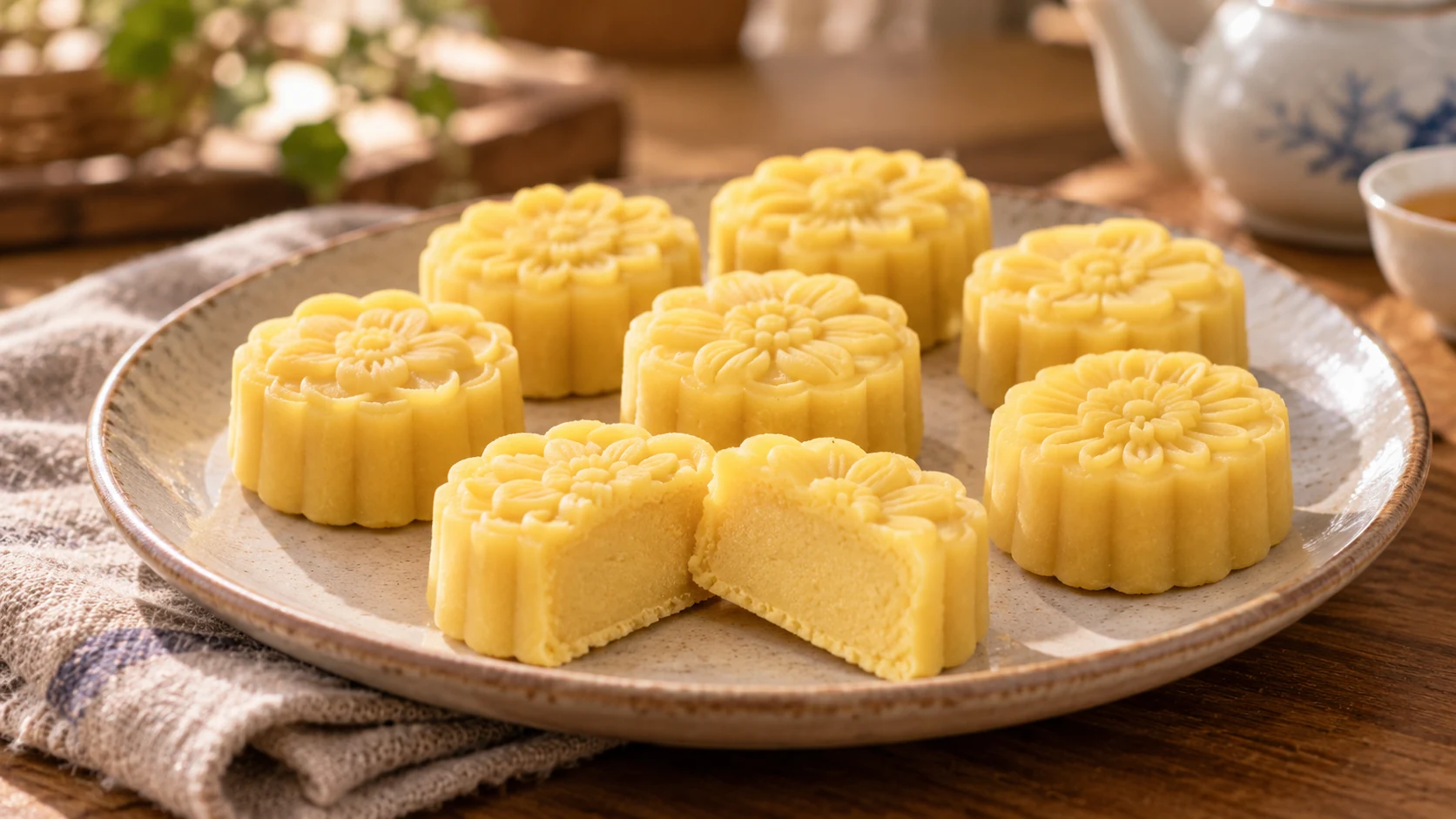
Pale-yellow unfilled mung bean cakes, with a cut piece showing the smooth interior.

Turn pale-yellow peeled mung beans into a smooth paste and shape it into small, unfilled cakes. There is no oven baking, matcha or milk powder. Use 200 g from a Xianyitang 300 g pack.

MakesAbout 16 small cakes
Soaking8–12 hours in the fridge
Steaming and cookingSteam and cook for about 50–75 min
Total time (including soaking)About 11–15 hours including soaking and chilling

Allow about 40–50 minutes of hands-on work: steam for roughly 35–50 minutes and cook the paste for 15–25 minutes. Shaping, cooling and at least 1 hour of chilling are additional. Bean size, steamer and moisture affect the timing.
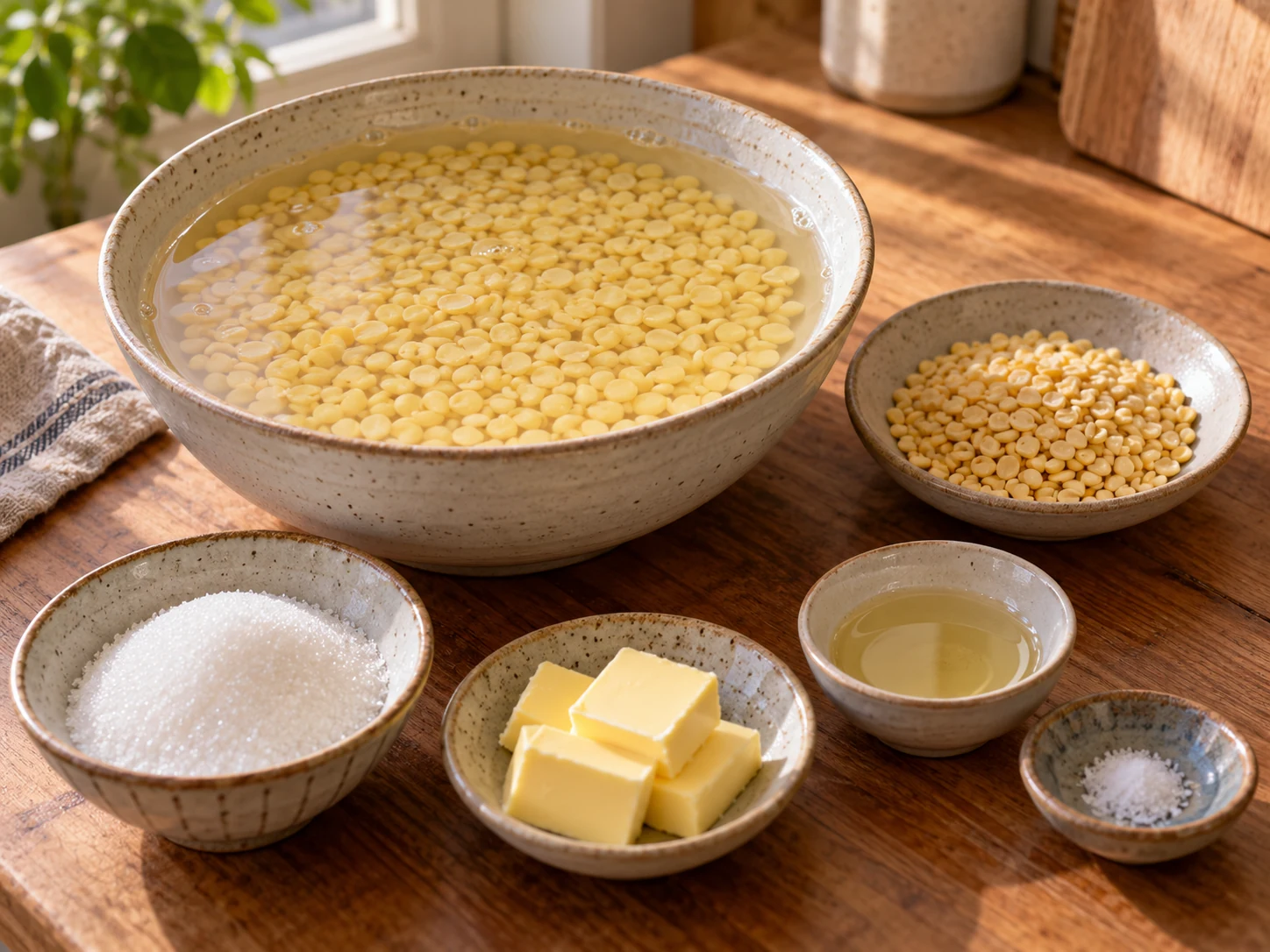
Dry and soaking peeled mung beans alongside sugar, butter, oil and salt.

Recipe illustrations; measure ingredients using the written quantities.

Ingredients

  • Xianyitang peeled mung beans, from a 300 g pack 200 g
  • Cold drinking water for soaking; discard afterwards. Additional water for the steamer 800 ml
  • Caster sugar 70 g
  • Unsalted butter, cubed 30 g
  • Neutral-flavoured vegetable oil 20 ml, plus a little to grease the mould
  • Salt 0.5 g

Soaking guide

  1. Pick out debris and rinse the beans in 2–3 changes of water. Place in a bowl of at least 1.5-litre capacity with 800 ml cold drinking water, roughly 4 cm above the beans. Cover and refrigerate for 8–12 hours. The beans should swell evenly; if still dry and hard, change the water and continue soaking in the fridge. Do not soak overnight in a warm kitchen.
  2. Discard the soak water, rinse and drain, then steam thoroughly. Soaking is not cooking.

Method

Rinse and soak in the fridge

Pick out debris and rinse the beans in 2–3 changes of water. Place in a bowl of at least 1.5-litre capacity with 800 ml cold drinking water, roughly 4 cm above the beans. Cover and refrigerate for 8–12 hours. The beans should swell evenly; if still dry and hard, change the water and continue soaking in the fridge. Do not soak overnight in a warm kitchen.

Drain and steam thoroughly

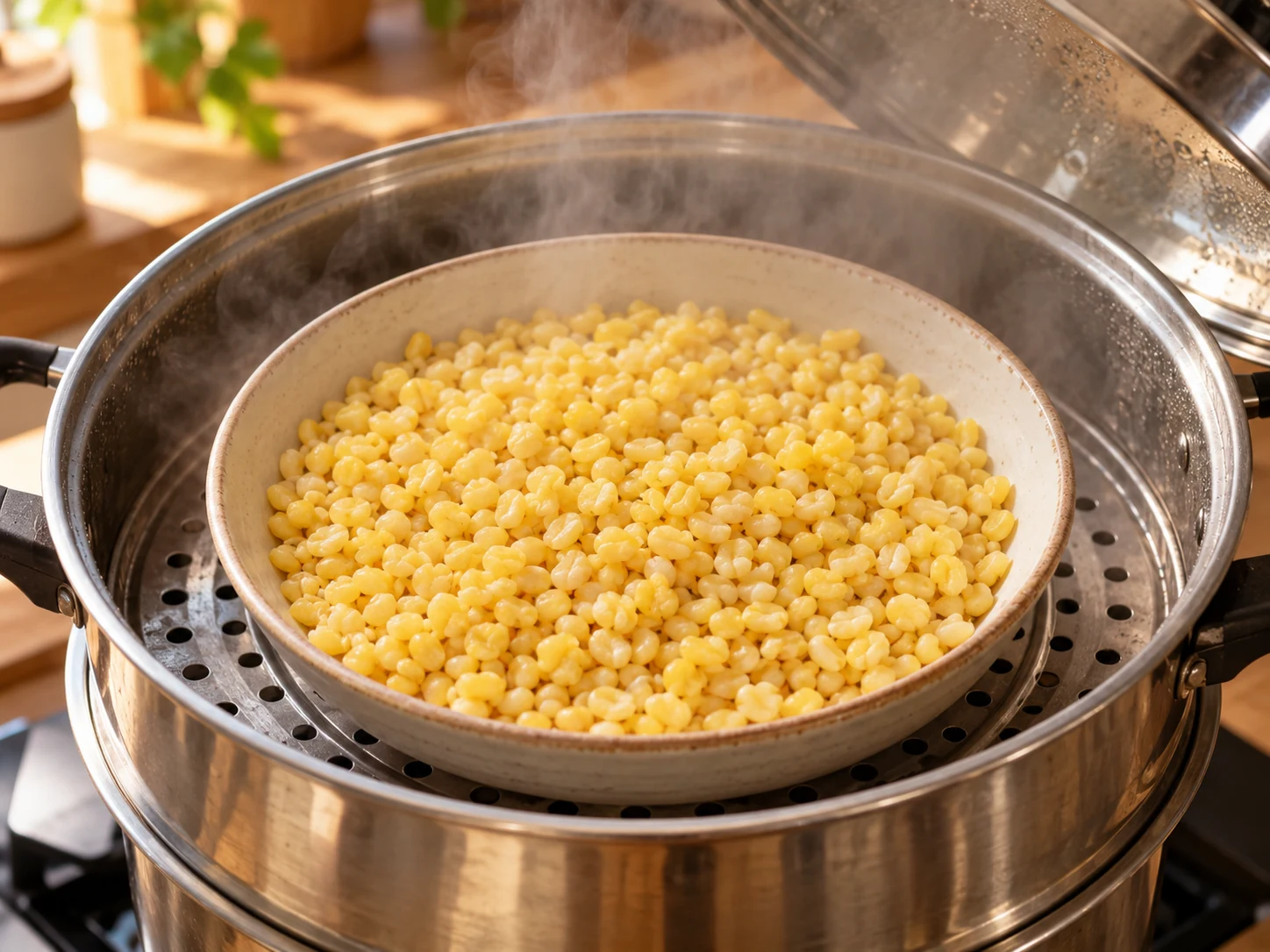
Discard the soaking water, rinse and drain thoroughly. Spread the beans in a steam-safe rimmed plate no deeper than about 2 cm; use two plates if needed. Keep the water below the steaming rack so the plate is not immersed. Add the plate once the water is boiling, cover and steam steadily for about 35–50 minutes. Test beans from the middle and edges with the back of a spoon: every bean should crush easily into paste without a chalky, hard centre. If not, keep steaming and check every 5–10 minutes. Replenish the base with boiling water as needed; do not let it boil dry. Soaking does not replace cooking.

Peeled mung beans steaming on a plate supported by a steaming rack.

Mash while hot

Use oven gloves to remove the plate. Mash the hot cooked beans finely, then press through a fine sieve with a spoon for a smoother texture. Do not substitute ground raw beans for cooked beans. If the cooked beans are too dry to mash, add hot drinking water 5 ml at a time, usually no more than 15–30 ml; use only enough to work the paste, not turn it into soup.

Cook into a soft dough

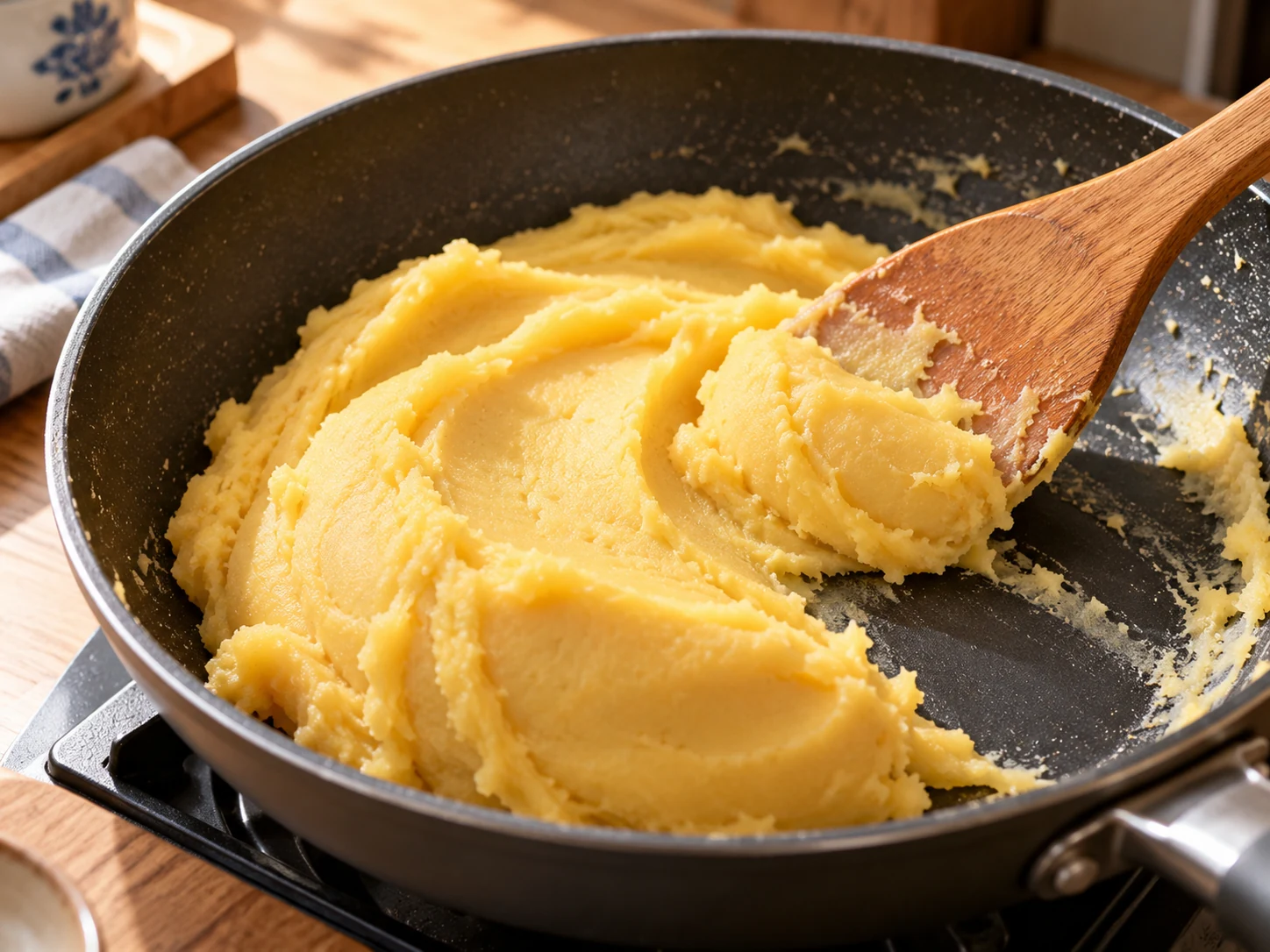
Melt the butter over low heat in a non-stick pan. Mix in 20 ml oil and the mashed beans, then add sugar and salt. Push, press and fold continuously for about 15–25 minutes until the sugar dissolves and the smooth paste gathers into a soft dough that comes away from the pan. A spatula track should hold briefly. Stop before it browns or cracks; moisture, rather than the clock, determines when it is ready.

A spatula folding cooked pale-yellow mung bean paste in a non-stick pan.

Shape while warm

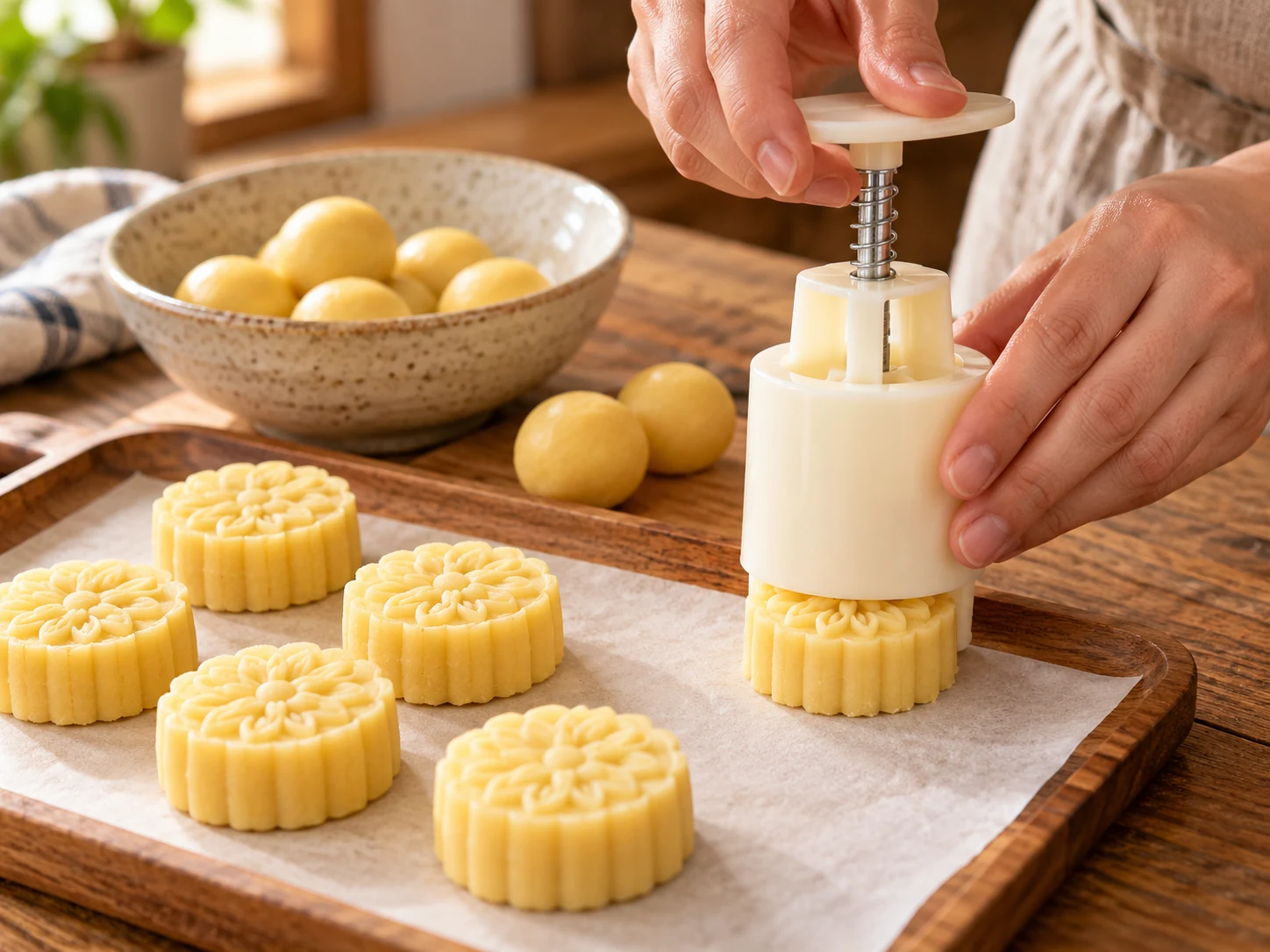
Let the dough stand for about 10 minutes until warm enough to handle, covering the remainder to prevent drying. Weigh the batch and divide into about 16 equal portions; portion weight depends on moisture. Lightly oil the mould, press in a portion firmly and release. Alternatively, press into a small baking-paper-lined container about 2 cm deep and cut into roughly 16 pieces. No further baking is needed.

Warm, unfilled mung bean dough being shaped with a small cake press.

Cool and chill

Cool the separated cakes on a shallow plate, then chill in a sealed container for at least 1 hour for a firmer texture. Shape and cool promptly and refrigerate within 2 hours of finishing the paste. Serve chilled, or briefly take out only the portions you will eat.

Cooking tips

  • Use pale-yellow peeled mung beans. Whole green-skinned mung beans, soya beans and mung bean starch are not direct substitutes.
  • If too wet and sticky, return the dough to low heat briefly. If dry and cracking, work in about 5 ml hot drinking water at a time and gently rewarm if necessary, then shape while warm.
  • This version has no filling or milk powder. Butter adds a gentle dairy flavour. The pattern depends on your mould, and a small container also works.
  • Sugar and fat also affect shaping, so avoid major reductions on a first attempt. Use 200 g and reseal the remaining 100 g dried beans.

Allergens

Contains milk (butter). The Xianyitang pack states that it is packed in a facility that also handles peanuts, tree nuts, sesame and soya. Check the actual pack for anyone with allergies.

Storage

Keep sealed in the fridge at 5°C or below and eat within 48 hours. Do not leave on a warm worktop or store at room temperature for days. Take out only what you will eat and keep the rest refrigerated.

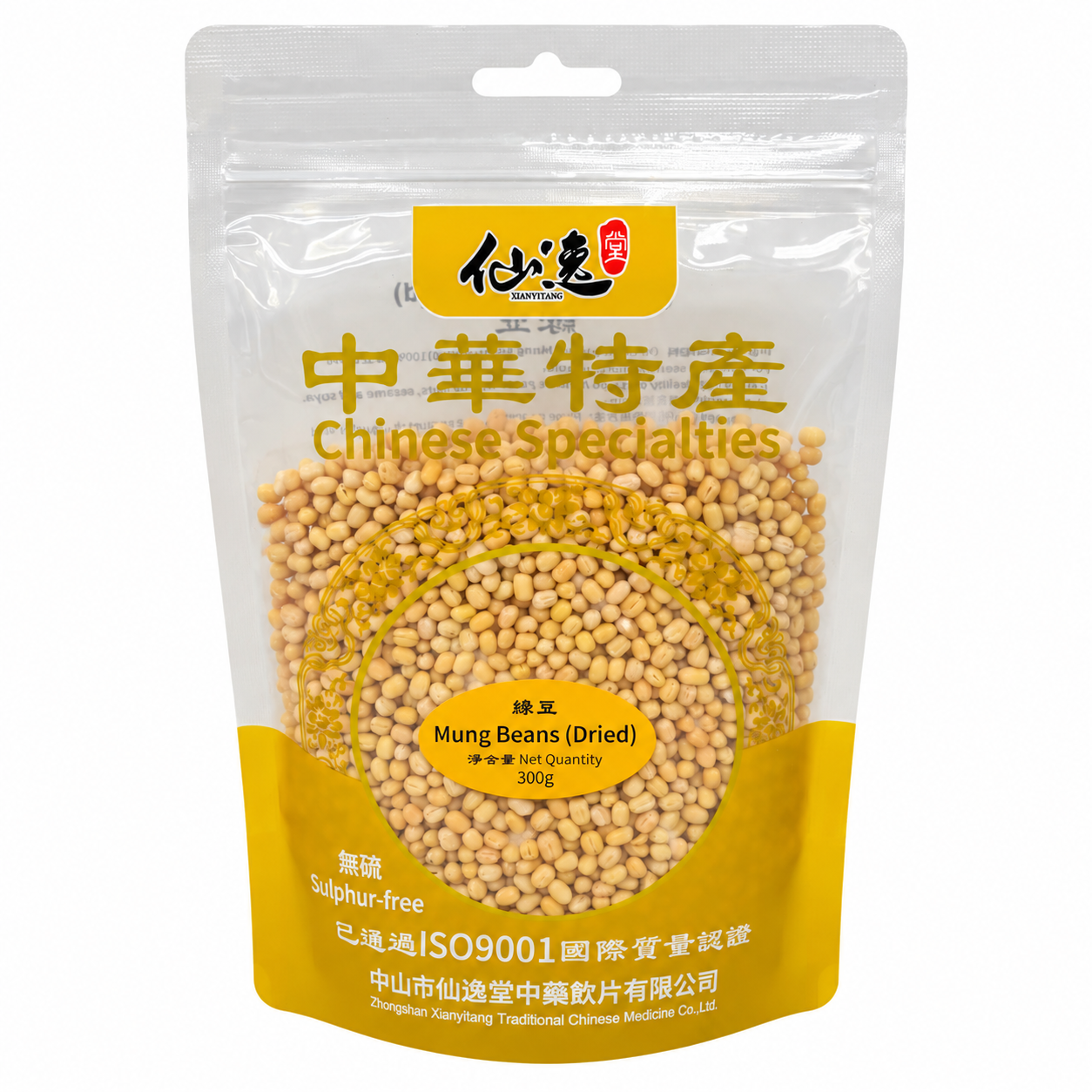
Shop the Xianyitang ingredients for this recipe

Peeled Mung Beans (Dried) 300 g authentic packaging reference
Xianyitang product packaging reference